
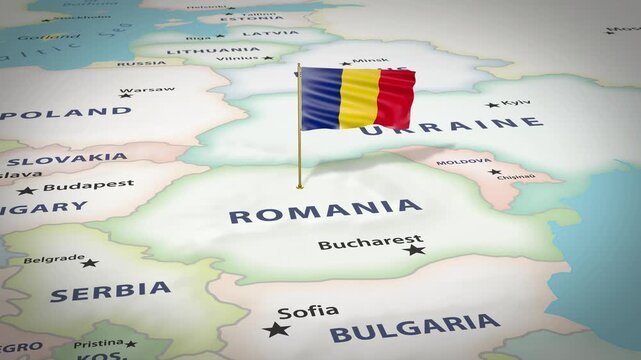
Study in Romania vs Lithuania is a comparison a lot of international students end up making at some point, and for good reason — both countries offer accredited EU degrees, welcoming student environments, and noticeably lower costs than Western Europe. But once you get past the surface similarities, the two paths actually diverge quite a bit: living costs, academic focus, job markets, and what you can realistically earn afterward all look different depending on which one you pick.
This guide breaks down the real numbers for 2026 — tuition, living expenses, part-time work, salaries after graduation, visas, and daily life — so you’re comparing apples to apples instead of guessing.
Academic Structures: How the Two Systems Differ
Both countries follow the Bologna Process, so credits transfer smoothly if you ever move between EU institutions. That part’s identical. Where they differ is in what each system is actually known for.
Higher Education in Romania
Romania’s strength is its large, historic public universities in cities like Bucharest, Cluj-Napoca, and Iași. These schools have a long track record in medicine, theoretical sciences, and civil engineering — fields where institutional history and research depth genuinely matter.
Higher Education in Lithuania
Lithuania runs a more compact, modernized system centered around Vilnius and Kaunas, with a clear lean toward practical, industry-connected fields — biotechnology, entrepreneurship, and applied research. If your priority is hands-on access to newer research facilities, Lithuania tends to have the edge here.
Tuition Fees: Romania vs Lithuania Compared
| Degree Level | Romania (Per Year) | Lithuania (Per Year) |
|---|---|---|
| Bachelor’s | EUR 2,000 – 4,500 | EUR 1,300 – 5,300 |
| Master’s | EUR 2,500 – 5,000 | EUR 2,200 – 6,500 |
| Medical / Specialist | EUR 5,000 – 8,000 | EUR 7,000 – 11,000+ |
Romania’s pricing is a bit more stable and predictable for standard technical programs. Lithuania’s range is wider — its top institutions charge a premium for specialized, English-taught programs, but that premium usually reflects genuinely modern facilities and a stronger international reputation in specific fields.
Cost of Living: What You’ll Actually Spend Each Month
Tuition is only half the budget conversation. Monthly living costs matter just as much, and this is where the gap between the two countries becomes more noticeable.
- Romania: Around EUR 400–600 per month covers most students comfortably. Shared dormitories are genuinely cheap, and everyday groceries and transport are some of the lowest-cost in the EU.
- Lithuania: Expect EUR 500–750 per month. Winter utility bills can spike, and rent in central Vilnius has climbed noticeably as more international tech workers move in.
If pure affordability is your priority, Romania wins on paper. But Lithuania’s public transport and city infrastructure are genuinely a step ahead, which is worth factoring in if daily convenience matters to you as much as the raw numbers.
Part-Time Work: Can You Actually Earn While Studying?
Yes, in both countries. International students in Romania and Lithuania can legally work up to 20 hours per week during the semester — that part’s the same.
Where it gets different is language. In Romania, finding part-time work outside of call centers or hospitality without at least basic Romanian is genuinely difficult. Lithuania’s job market, on the other hand, is far more English-friendly, particularly in tech startups, logistics, and international service companies based in Vilnius. If you’re planning to work through your studies and don’t speak the local language, Lithuania is the easier route.
Post-Graduation Salaries: 2026 Comparison
Both economies have grown steadily, but starting salaries after graduation differ by field:
- IT & Software: Romania averages EUR 1,200–2,000/month net. Lithuania runs slightly higher, EUR 1,500–2,500+, largely thanks to its growing fintech sector.
- Engineering & Technical Fields: Romania offers EUR 900–1,500/month. Lithuania is a bit ahead at EUR 1,100–1,800, especially in advanced manufacturing.
- Business & Marketing: Romania sits around EUR 800–1,300/month, versus EUR 1,000–1,600 in Lithuania’s corporate sector.
The pattern is fairly consistent: Lithuania costs a bit more to live in, but it also pays a bit more once you graduate. Whether that trade-off is worth it depends on your field and how long you plan to stay after finishing your degree.
Education Technology: Which System Is More Digital?
Lithuania consistently ranks among the more digitally advanced countries in Europe, and its universities reflect that — cloud-based lecture systems, integrated learning platforms, and largely automated academic admin.
Romania is catching up, and major universities have rolled out modern student dashboards in recent years, but the gap is still noticeable. If a smooth, fully digital academic experience matters to you, Lithuania currently has the advantage.
Healthcare and Student Insurance
Both countries require non-EU students to maintain valid health coverage to keep their residency status active, but the systems work quite differently day to day.
In Romania, students technically have access to the national health insurance platform with the right documentation, but the public system can involve real administrative delays and language barriers. Most international students end up going with private coverage for access to private clinics in Bucharest or Cluj. (If you’re weighing your options, our Student Insurance in the Schengen Area guide covers what a compliant policy actually needs to include.)
Lithuania’s healthcare system is more digitally integrated — appointments, prescriptions, and insurance verification are largely app-based, and English-speaking doctors are common, especially in Vilnius and Kaunas.
Visa Process and Stay-Back Options
This is one area where the two countries diverge quite a bit.
Romania: The National (D-type) visa typically takes 4–8 weeks depending on your home country’s embassy. After graduation, there’s a job-seeking extension available, though the hiring process on the corporate side can involve some bureaucratic delay.
Lithuania: Applications run through MIGRIS, an online portal where you can submit documents, track your application, and book biometric appointments without much back-and-forth. After graduation, Lithuania offers a full 12-month stay-back visa for finding corporate employment — a genuinely strong option if you want time to job-hunt without visa pressure.
If a smoother, more transparent immigration process matters to you, Lithuania currently has the more student-friendly system.
Daily Life and Cultural Fit
Numbers aside, where you’ll actually be happy living matters too.
Romania is known for warm hospitality and lively social life. The language is Latin-based, so it’s relatively approachable if you already know Spanish, French, or Italian. Campus life in cities like Bucharest is energetic, with a large international student presence and plenty of affordable things to do.
Lithuania offers a quieter, cleaner, and very safe Northern European pace of life. Lithuanians tend to value privacy but are still welcoming, and English proficiency among younger people and professionals is exceptionally high.
If you want energy and social buzz, Romania probably suits you better. If you want calm, safety, and a highly organized environment, Lithuania edges ahead.
Frequently Asked Questions
Is it cheaper to study in Romania or Lithuania? Romania generally has lower baseline costs — accommodation, groceries, and minimum tuition all come in cheaper. Lithuania costs a bit more, but its top programs and post-graduation salaries can offset that difference over time.
Can I stay in Europe after finishing my degree? Yes, both countries offer post-study options. Lithuania’s is more clear-cut, with a 12-month stay-back visa for graduates to find corporate work. Romania offers a similar job-seeking extension, though the process can take longer.
Which country has better job prospects for international graduates? It depends on your field. Lithuania has an edge in IT, fintech, and advanced manufacturing, with slightly higher average salaries. Romania remains strong for engineering and industrial roles, with a lower cost of living to offset the salary gap.
Do I need to know the local language to find part-time work? In Lithuania, not really — the job market is largely English-friendly. In Romania, at least basic Romanian helps significantly outside of call centers and hospitality roles.
Both countries offer genuinely solid, affordable paths into European higher education — the right choice really comes down to what you value more: Romania’s lower costs and vibrant social scene, or Lithuania’s higher post-graduation earning potential and smoother digital systems. If you’re still deciding, our Top Universities in Lithuania guide is a good next read to see specific institutions and programs.
Disclaimer
This article is intended for general informational purposes only and does not constitute legal, immigration, financial, or medical advice. Visa requirements, embassy procedures, tuition fees, and insurance regulations change frequently and can vary by nationality, institution, and individual circumstances. Before making any decisions, please verify current requirements directly with the relevant embassy, consulate, university, or a licensed education and immigration consultant. Schengenstudy.com is not liable for any losses, delays, or visa rejections resulting from reliance on this content.
If you have specific questions about admissions or visa steps, feel free to contact us directly.