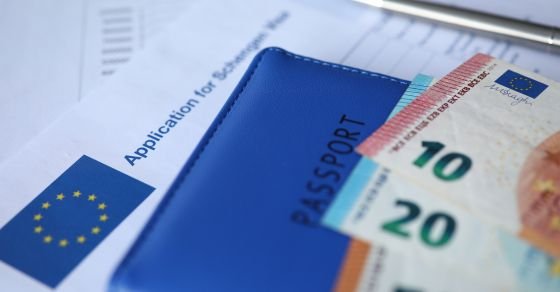
Schengen business education for international students has become one of the smarter career moves you can make right now, and it’s not hard to see why. Europe has quietly turned into a real hub for fintech, corporate leadership training, and cross-border commerce, and for non-EU applicants, getting into a top European business school opens up networks and market exposure you genuinely can’t replicate from home.
That said, a business degree isn’t just about the classroom. Visa compliance, insurance, and the practical logistics of living in a new country matter just as much as the curriculum — arguably more, since getting any of that wrong can derail everything else. This guide covers what you actually need to know: the legal requirements, the tech that makes student life easier, realistic salary numbers, and what happens after graduation.
Visa Requirements for Schengen Business Education
Before you even think about lecture halls, you need to get the immigration side sorted. Business school admission and visa approval run on separate but tightly linked systems, and European immigration processing has gotten a lot more automated — which is good news, but only if your paperwork is consistent from the start.
Your National (D-type) student visa application will be rejected outright if you don’t have a health insurance certificate meeting these EU minimums:
- Coverage: At least EUR 30,000 in medical expenses
- Geographic scope: Valid across all Schengen countries, not just one
- Emergency care: Full coverage for hospitalization, treatment, and repatriation if needed
Pick an insurance provider that offers direct, cashless billing with hospitals — it makes the whole process smoother and keeps your paperwork moving without unnecessary delays. (For a full breakdown of what a compliant policy needs, see our Student Insurance in the Schengen Area guide.)
Corporate Internships and Cross-Border Training
A business degree worth having isn’t confined to a lecture hall, and that’s especially true in Europe. A real advantage of studying business here is direct access to corporate training programs, startup incubators, and internships with multinational companies — often as part of the actual curriculum, not just an optional extra.
Your visa and insurance travel with you across the Schengen zone, which matters if your program involves a module in Lithuania one semester and a business summit in Germany the next. Business faculties also tend to have well-equipped analytics labs and tech infrastructure, and a solid insurance policy covers you if something goes wrong while you’re using that equipment.
A few things worth taking advantage of if your program offers them:
- International case studies across multiple European markets, not just your host country
- Executive mentorship, usually through university-sponsored networking events
- Multilingual team exposure, which is honestly one of the more underrated skills you’ll pick up
How Universities Use Technology to Manage Student Life
University administration has genuinely gotten easier over the last few years, mostly thanks to better systems on the back end.
Most business schools now link your student record — visa status, enrollment, insurance — to a single portal. That means administration staff can verify everything automatically when you renew each semester, instead of you standing in line with paper documents. It sounds minor until you’ve actually dealt with the alternative.
Most insurers also send automated reminders before your coverage or residency permit is about to expire, which quietly prevents a lot of accidental compliance issues. It’s one less thing to keep track of manually while you’re trying to focus on coursework.
Telehealth: Managing Your Health Without Losing Study Time
Business programs come with a specific kind of pressure — deadlines, presentations, group projects — and getting sick in the middle of it is never convenient. Most modern student insurance plans now include telehealth as standard, which honestly makes a bigger difference than people expect.
If you’re dealing with mild symptoms or just need a prescription renewed, most plans give you:
- 24/7 English-language consultations, so you’re not trying to explain symptoms in a language you’re still learning
- Digital prescriptions, sent straight to your phone and scannable at most European pharmacies
- Basic symptom-checker tools, useful for deciding whether something actually needs a doctor visit
For anything that isn’t urgent, this saves you a trip and lets you get back to whatever deadline you’re working against.
2026 Salary Expectations After Graduation
This is really the number that matters most long-term: what can you actually expect to earn once you’re out of school?
| Business Field | Western European Hubs | Baltic Hubs |
|---|---|---|
| Fintech Product Manager | EUR 3,500 – 5,200 | EUR 2,400 – 3,800 |
| Data & Analytics Consultant | EUR 3,800 – 5,500 | EUR 2,600 – 4,100 |
| E-Commerce Operations Specialist | EUR 3,000 – 4,600 | EUR 2,100 – 3,300 |
| Corporate Compliance Officer | EUR 4,000 – 5,800 | EUR 2,700 – 4,300 |
Western hubs pay more on paper, but Baltic cities have noticeably lower living costs and fast-growing tech sectors, which makes them a genuinely smart option if you’re trying to build savings early in your career rather than just chase the highest gross number.
How Cashless Insurance Billing Actually Works
Budgeting as an international student takes real planning, and this is one area where good insurance quietly pays for itself. If something goes wrong medically, the last thing you want is to pull thousands of euros out of your savings to cover an upfront hospital bill.
With a decent policy, the hospital bills your insurer directly — you walk out without paying anything at the point of care. It sounds like a small detail until you’re actually standing in a hospital abroad, and it’s genuinely one of the more underrated reasons to spend a bit more on a solid policy upfront.
E-Commerce and Digital Business Are Now Core to the Curriculum
European business programs have moved well past traditional retail case studies. Most now put real weight on e-commerce logistics, supply chain tech, and cross-border digital sales, often through partnerships with actual companies rather than hypothetical scenarios.
Hands-on lab work — analyzing customer data, building checkout funnels, managing supply chains with real software tools — is increasingly standard. It’s the kind of practical experience that translates directly into either launching your own venture or stepping into an operations role at a larger company right after graduation.
Staying in Europe After Graduation
Moving from student life into full-time corporate work is a real transition, and thankfully most European business hubs have made this easier in recent years.
Countries like Germany, France, and Lithuania now offer a 12-month post-study stay-back visa, giving you time to find a job without needing employer sponsorship locked in before you graduate. If you’re leaning toward launching your own business instead, several countries also run dedicated Startup Visa programs that fast-track the path to longer-term residency.
Cultural Adaptability: An Underrated Part of the Degree
Succeeding in international business genuinely requires more than technical skill — cultural intelligence matters just as much, and living abroad forces you to build it whether you plan to or not.
European business campuses tend to be genuinely multicultural, with student societies representing dozens of countries. Getting involved in leadership clubs, pitch competitions, or exchange forums isn’t just good for your resume — it’s practical training for handling international clients and cross-border partnerships later in your career.
Frequently Asked Questions
Why is Schengen business education valued internationally? European business schools operate under shared regulatory and market standards across nearly 30 countries, which means graduates come out understanding how to manage companies and navigate cross-border trade in a way that translates well globally.
How does technology actually help international students, beyond convenience? It closes the gap between classroom theory and real industry practice — cloud-based data access, business simulation software, and live market analytics tools are now standard parts of most programs, not add-ons.
Can I stay and work in Europe after finishing my degree? Yes. Most major business and tech hubs offer a 12-month post-study stay-back visa, giving graduates time to secure a job without needing sponsorship arranged in advance.
Is student health insurance required every semester, or just once? It’s ongoing — you need a valid certificate for every semester renewal, and most universities verify this digitally through their student portal rather than requiring you to resubmit paperwork manually.
What language are these business programs actually taught in? Almost universally English, regardless of the local language. Programs aimed at international students are built around English-language instruction to match global business communication standards.
A business degree in the Schengen Area isn’t just about the qualification on paper — it’s the internships, the network, and the practical exposure to how European markets actually work that tend to matter most once you’re job-hunting. Get your visa and insurance sorted early, and the rest of the experience genuinely gets easier from there.
Disclaimer
This article is intended for general informational purposes only and does not constitute legal, immigration, financial, or medical advice. Visa requirements, embassy procedures, tuition fees, and insurance regulations change frequently and can vary by nationality, institution, and individual circumstances. Before making any decisions, please verify current requirements directly with the relevant embassy, consulate, university, or a licensed education and immigration consultant. Schengenstudy.com is not liable for any losses, delays, or visa rejections resulting from reliance on this content.
If you have questions about university selection, applications, or visa steps, feel free to contact us directly.